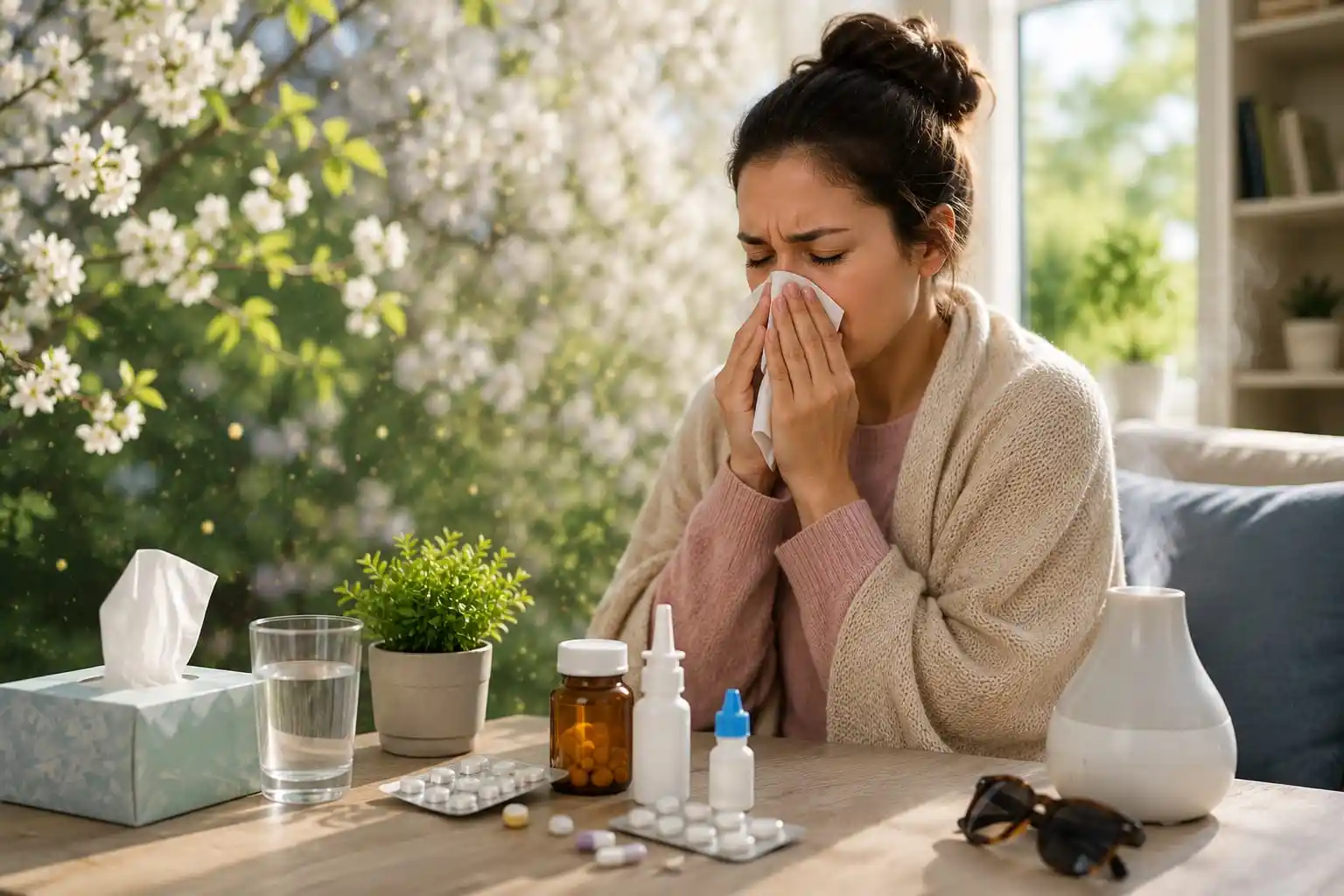
Medications only work when they are taken correctly — and stored safely. Small household habits prevent big problems.
Keep medicines in a cool, dry place away from bathrooms and kitchen heat. Humidity and temperature swings degrade many products faster than people realise.
Use the original labelled container whenever possible. Pill organisers are helpful for adherence, but keep a master list of what each slot contains.
Never share prescription medication, even if symptoms seem identical. Dosing, interactions, and diagnoses differ person to person.
Set calendar or phone reminders for time-sensitive doses. Missed antibiotics and blood pressure medicines are among the most common issues we see.
Dispose of expired or unused medicines through our in-store take-back programme rather than flushing them or tossing them in the trash.
If a child or pet accidentally ingests medication, call poison control immediately and bring the bottle with you if you seek emergency care.
When in doubt, ask. Our pharmacists would rather answer a 'simple' question than help fix a preventable mishap.
Keep reading
Self-Care & Triage
When is a Condition Appropriate for Self-Care? (And When to See a Doctor)
A pharmacist's comprehensive guide to distinguishing mild self-treatable symptoms from red-flag warning signs that require clinical evaluation.
Blood Pressure
Understanding Your Blood Pressure Numbers
What systolic and diastolic readings mean, when to worry, and how lifestyle and medication work together.